Estate and lettings agents are facing renewed uncertainty over borrowing costs after Andrew Bailey signalled a cautious approach to interest rates amid volatile global energy markets.
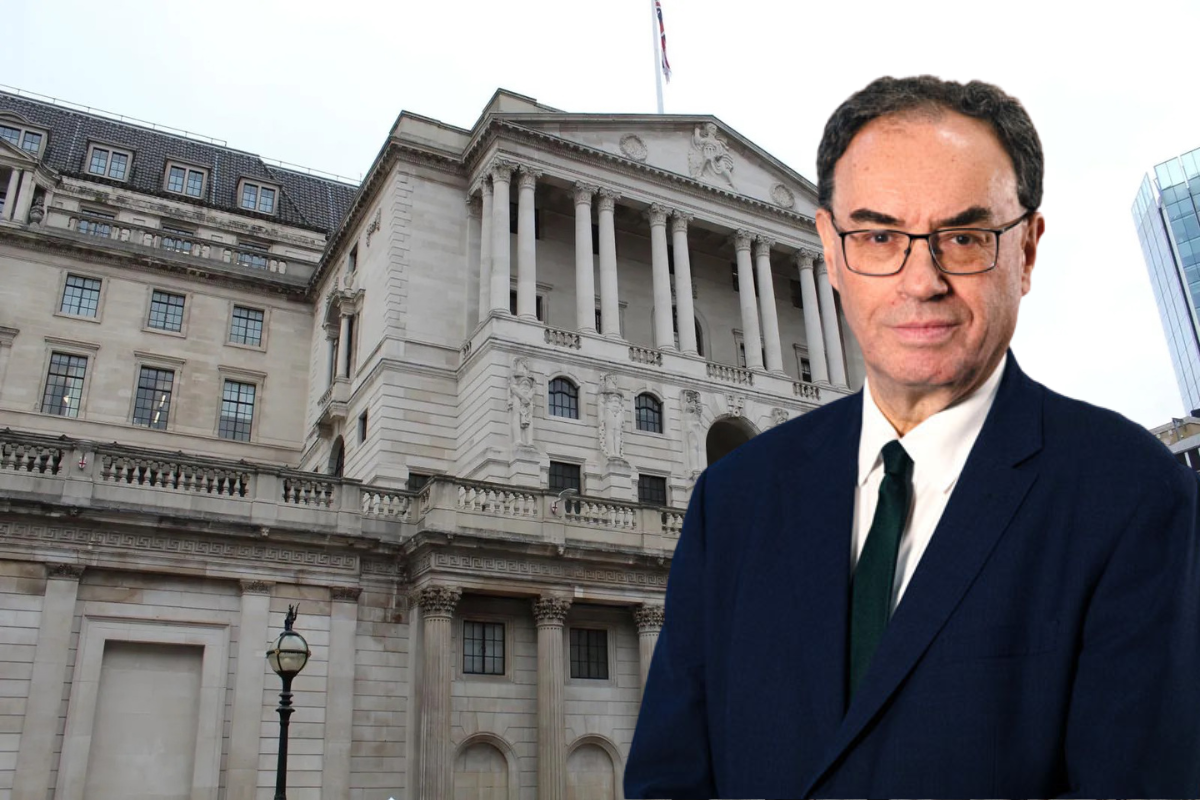
Speaking ahead of the next Bank of England rate decision on 30 April, Bailey (main picture, inset) warned the UK is dealing with a “very big energy shock”, with rising oil and gas prices expected to feed through into inflation – complicating the outlook for base rate movements.
It’s a clear message that expectations of rate cuts in 2026 are no longer a given with implications for buyer demand, landlord sentiment and pricing strategies across both sales and lettings.
Markets are increasingly split on the direction of travel, with the Bank weighing conflicting pressures. Higher energy costs would see prompt rate rises to contain inflation but signs of a softening economy could argue for cuts to support growth.
POLICY DILEMMA
Mortgage pricing volatility has remained elevated in recent months while some buyers continue to delay decisions amid uncertainty over future affordability.
In the lettings market, agents are likely to see continued pressure on rents as landlords factor in higher financing costs and reduced margin visibility.
However, Bailey noted that businesses are finding it harder to pass on cost increases – something that could temper further rental growth if sustained.
But he also stressed that policymakers will not “rush to judgments”, citing a lack of meaningful data on how the energy shock, linked in part to tensions involving Middle East, will feed through to the wider economy.
SERIOUS STANCE
The International Monetary Fund has also urged central banks to avoid reacting too quickly to geopolitical shocks, a stance the Bank said it is taking seriously.
One analyst told Property Soup: “A prolonged period of elevated rates would continue to weigh on transaction volumes and landlord acquisition, while any earlier-than-expected cuts could unlock pent-up demand.
“With the path of rates now closely tied to the duration of geopolitical tensions, agents are being forced to operate in a holding pattern, advising clients against a backdrop where both inflation and growth risks remain in play.”