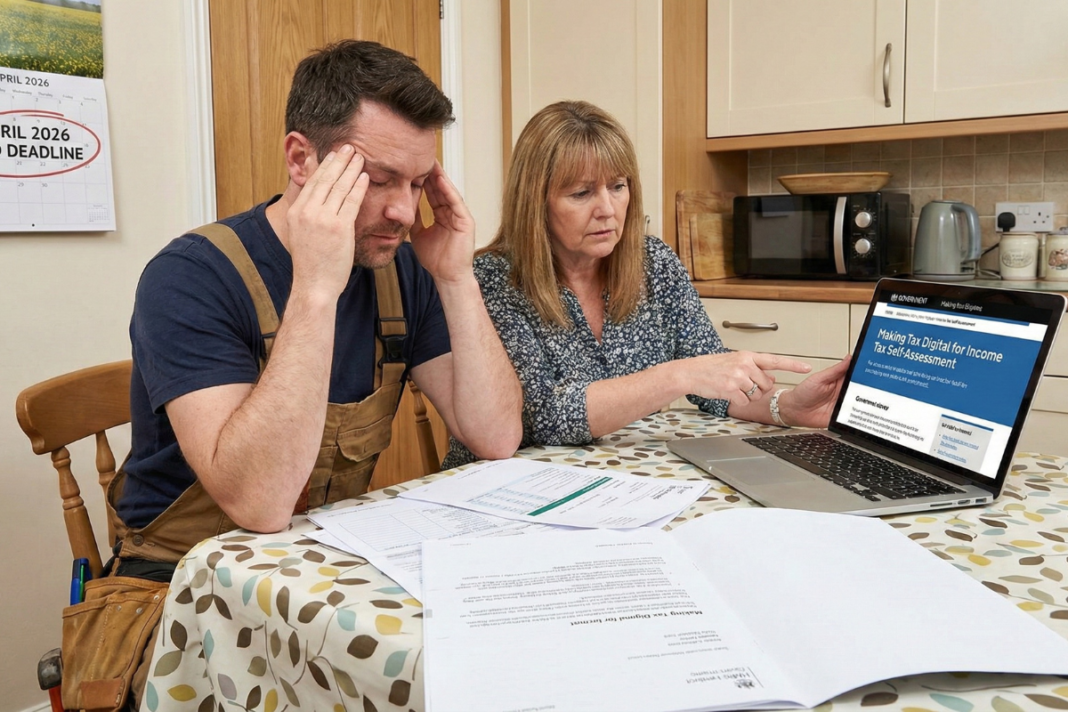
Sole traders and landlords are being urged to prepare for imminent changes to the tax system as the first phase of Making Tax Digital for Income Tax Self-Assessment approaches.
From April, the new regime will apply to individuals earning more than £50,000 a year from self-employment or property, bringing them into a system that requires digital record-keeping and quarterly reporting to HM Revenue & Customs.
HMRC estimates that around 864,000 people across the UK will be affected by the changes.
While further phases of Making Tax Digital will follow in later years, the April rollout marks the first significant shift for income tax reporting outside the VAT system.
DIGITAL RECORDS OF INCOME
Under the new rules, taxpayers will be required to keep digital records of income and expenses and submit updates every three months. HMRC will not provide accounting software, meaning individuals must select compatible tools themselves or rely on an accountant or adviser to manage compliance.
St. James’s Place has warned that those who delay preparing risk penalties if they fail to meet the new reporting requirements.
The system operates on a points-based model, with repeated missed submissions triggering fines, while late payments attract interest and additional charges.
START PREPARING NOW

Alexandra Loydon, Group Advice Director at St. James’s Place, says: “With the first stage of Making Tax Digital for Income Tax Self-Assessment only two months away, those who will be affected need to start preparing now to avoid a last-minute rush ahead of the new tax year.
“From April, the changes will apply to sole traders and landlords earning more than £50,000 a year, with HMRC estimating that around 864,000 people across the UK will fall within scope.

“While the shift may feel daunting, taking steps early can make the transition far smoother and reduce the risk of problems further down the line.
“HMRC will not provide accounting software.”
“One important consideration is that HMRC will not provide accounting software, meaning individuals will need to choose a compatible provider themselves, particularly if they don’t already work with an accountant or financial adviser.
“Under the new system, taxpayers will be required to keep digital records of income and expenses, including VAT and tax adjustments, and submit updates on a quarterly basis, so getting used to digital record-keeping and reporting deadlines now is key.”
PENALTY RISK
And she adds: “As with Self Assessment, failing to meet Making Tax Digital requirements can lead to penalties.
“These operate on a points-based system, similar to a driving licence, where repeated missed submissions can trigger a £200 fine.
“Late payments also attract charges, starting at 3% for payments 16 to 30 days overdue, rising to 6% after 30 days, with additional daily interest building at 10% per year until the balance is cleared.
“HMRC has confirmed that individuals who are genuinely unable to use digital systems may be able to claim an exemption on the basis of digital exclusion. However, anyone who believes this may apply to them should act sooner rather than later to avoid unnecessary penalties.”