Mortgage rates are climbing again as markets price in fresh inflation risks with latest data suggesting average deals could settle close to 6% if global tensions continue to drive up funding costs.
Figures from Moneyfacts show the average 2-year fixed residential mortgage rate has jumped from 4.83% at the start of March to 5.35%, the highest level since March 2025. On a typical £250,000 mortgage over 25 years, that increase adds roughly £900 a year to borrowing costs.
Average 5-year fixed rates have also moved sharply higher, rising from 4.95% to 5.39%, the highest since July 2024, adding around £775 a year to repayments on the same loan size.
The move comes as swap rates – which lenders use to price fixed-rate mortgages – have surged by around one percentage point since the start of the latest Middle East conflict, pushing them to their highest level for more than a year and signalling expectations of further Bank of England tightening.
RISING RATES
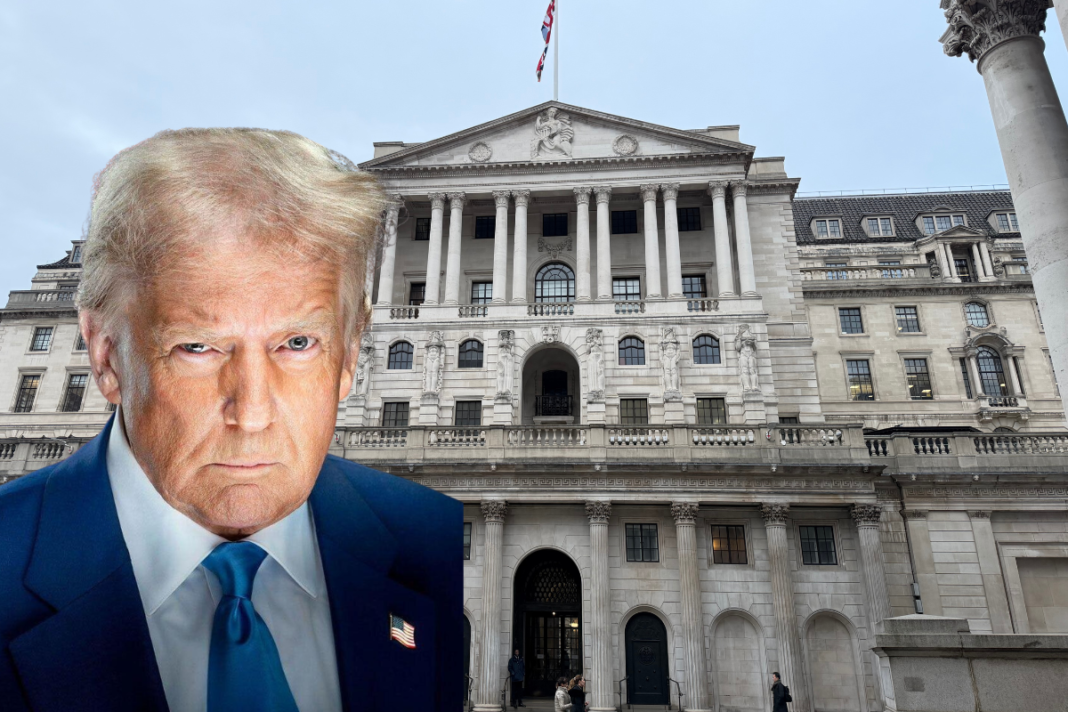
Trumpflation is a term used by economists and financial markets to describe rising inflation driven by policies associated with Donald Trump (main picture, inset), such as tariffs, tax cuts and increased government spending, which are expected to push up prices, interest rates and borrowing costs.
Analysis of more than 30 years of historic data by Moneyfacts suggests mortgage pricing typically settles around 1.5 percentage points above Bank Rate, meaning markets now expect new deals to stabilise well above current levels if Base Rate rises again.
If the Bank of England is forced to lift rates towards 4% to 4.25%, average mortgage rates could settle in the region of 5.50% to 5.75%, potentially adding £1,000 to £1,500 a year to the cost of a typical £250,000 loan compared with the average rate seen at the start of March.
TRUMPFALTION FEARS

Adam French, Head of Consumer Finance at Moneyfacts, says: “Swap rates, which underpin mortgage pricing, have risen sharply following the decision to hold the base rate at 3.75%, with markets interpreting commentary from the Bank of England as leaving the door open to rate rises amid ‘Trumpflation’ fears.
“With two- and five-year swaps now sitting at their highest level in more than a year, lenders are once again facing higher funding costs, and this will feed through into mortgage pricing.”

PAYING MORE
And he adds: “Moneyfacts analysis of more than 30 years of historic rates data shows mortgage rates have historically averaged around 1.5 percentage points above Base Rate.
“If markets continue to price in one or two rate rises, this could see average new mortgage rates stabilise at around 5.50% to 5.75%. That would leave borrowers paying £1,000 to £1,500 more per year on a typical £250,000 mortgage compared to just a few weeks ago.
“While a quicker resolution to the conflict in the Middle East could ease pressure on rates, the reality is that a more volatile world is a more expensive world.
“Even though the most competitive deals will remain below average, anyone looking to buy or remortgage this year needs to prepare for higher costs than previously expected.”