


Britain’s housing market is stacked firmly in favour of couples with solo buyers falling almost £50,000 short of what’s needed to buy the average home, according to new research from Yopa.
With the average UK house price at £271,068, buyers need a 15% deposit of £40,660, leaving £230,408 to fund via a mortgage.
Based on a typical 4.5x income multiplier and average earnings of £40,269, a solo buyer can borrow £181,211 – giving total purchasing power of £221,871 including deposit.
That leaves a £49,197 gap to the average property price.
AFFORDABILITY PRESSURES
By contrast, a couple earning two average salaries (£80,538 combined) could borrow £362,421. With the same 15% deposit, their total purchasing power rises to £403,081 – £132,013 above the average house price.
Affordability pressures continue after purchase. At a 4.15% mortgage rate over 25 years, monthly repayments would average £1,235. For a solo buyer that full amount must be covered from one income; for couples it equates to £618 each.
NO LOVE LOST
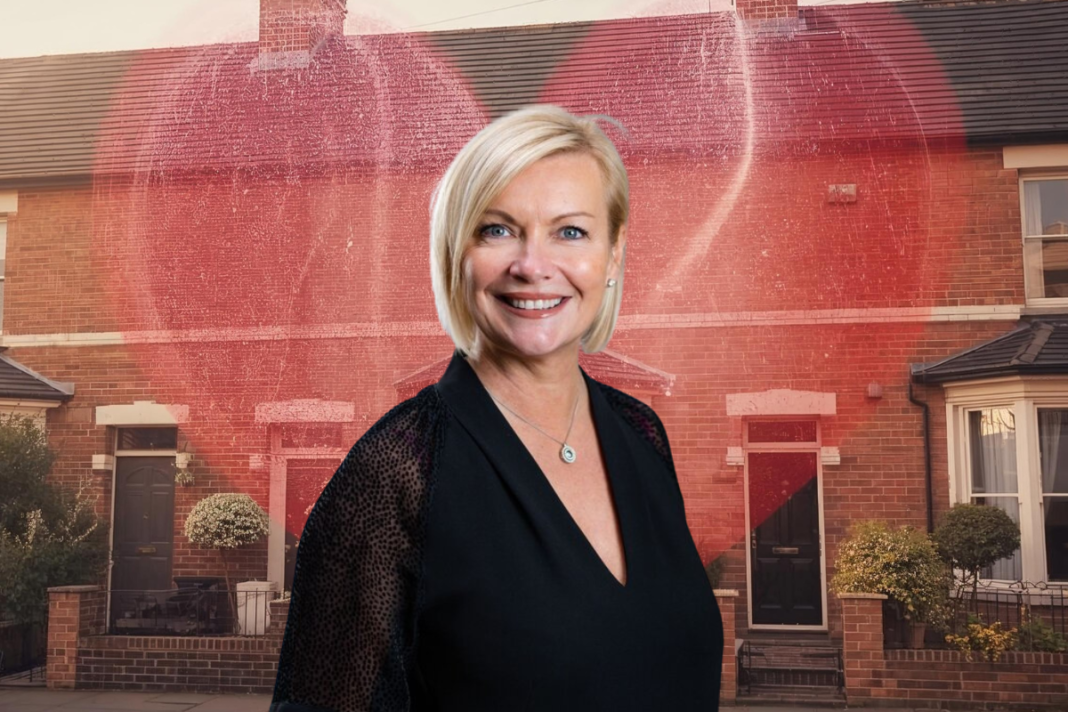
Verona Frankish (main picture, inset), CEO of Yopa, says: “Valentine’s Day can be a difficult time for those who are single, but the reality is that the challenges facing solo buyers extend far beyond one day of the year.
“Climbing the property ladder alone has become increasingly difficult in today’s market, driven by sustained house price growth, wage increases that have failed to keep pace, and mortgage lending criteria that continue to limit how much individuals can borrow.
“As a result, many capable and financially responsible buyers are finding that homeownership is slipping further out of reach, not because of poor financial habits, but because the numbers simply no longer stack up on a single income.”
MARKET EXCLUSION
She adds: “In contrast, couples benefit from a clear structural advantage, with dual incomes providing greater borrowing power, stronger affordability, and far more flexibility when it comes to securing a suitable home.
“Unless we see meaningful progress on affordability, housing supply, and access to lending, there is a real risk that homeownership becomes increasingly reserved for two-income households, leaving a growing number of single buyers permanently excluded from the market.”