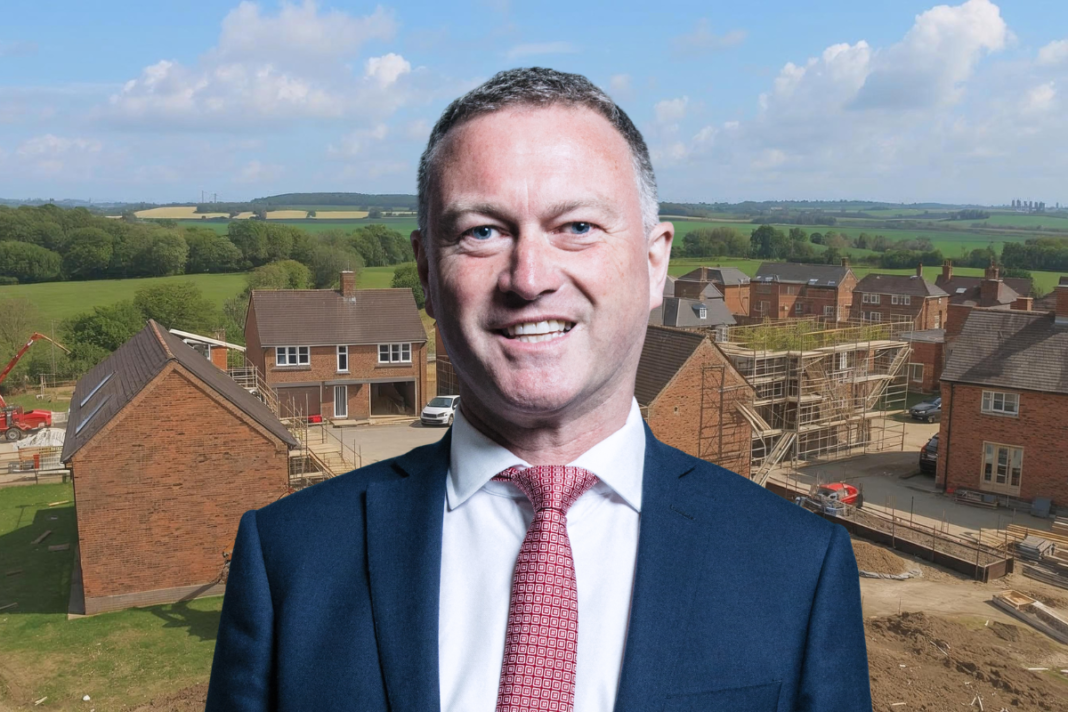
Seven locations across England have been identified for major new town developments as part of what ministers describe as the biggest housebuilding drive in more than 50 years.
The proposals form part of the Government’s push to accelerate housing delivery, with each site expected to provide at least 10,000 homes and several planned to deliver up to 40,000 over the coming decades.
The schemes are intended to create large, self-contained communities with housing, jobs, schools, transport links and green space planned together from the outset, rather than through piecemeal development.
The locations named for consideration include Tempsford in Bedfordshire, Crews Hill and Chase Park in Enfield, Leeds South Bank, Manchester Victoria North, Thamesmead in Greenwich, Brabazon and the West Innovation Arc in South Gloucestershire, and further expansion in Milton Keynes.
BIGGEST DEVELOPMENTS
Tempsford and the West Innovation Arc are among the largest proposals, both expected to support around 40,000 homes, while other sites range from around 15,000 to 21,000 homes depending on infrastructure and planning approvals.
Several of the projects are tied to major transport investment, including East West Rail, Metrolink expansion in Manchester and a planned Docklands Light Railway extension in London, with ministers arguing that new towns must be built alongside infrastructure to avoid the mistakes of the past.
Alongside the new towns programme, the Government has confirmed that the National Housing Bank will launch on 1 April with up to £16bn of financial capacity, aimed at unlocking more than 500,000 homes through public and private investment.
REAL CHANGE
Housing Secretary Steve Reed (main picture, inset), says: “People want real change – homes they can afford, local infrastructure that works, and good jobs in thriving communities. Our next generation of new towns marks a turning point in how we build for the future.
“From the ground up, we’re planning whole communities with homes, jobs, transport links, and green spaces designed together — so we can give families the security and opportunities they deserve.”

ECONOMIC PLAN

Chancellor Rachel Reeves adds: “For decades this country’s planning system has been a direct obstacle to building new homes, ramping up costs and pricing young people out of the housing market.
“Two years ago, I promised that we would grasp the nettle of planning reform. Now we’re planning to build a new generation of new towns, opening up the expansion of our most dynamic cities and raise up new communities.
“Our economic plan is the right one. Through stability, investment and reform we are building a stronger and more secure economy.”
DEVELOPMENT GEAR CHANGE

David Churchill, Partner at Carter Jonas says: “It is critically important that we attempt to find a gear change in the delivery of development.
“New towns are just one part of the system and have long been needed. But even if the seven proposed locations deliver circa 200,000 homes, at typical build out rates that equates to not much more than 10,000 homes per annum – 3% of the current target for housing delivery in England.
“So alongside new towns, delivery from a range of smaller sites across a variety of types and tenures should continue to be prioritised. These sites are capable of delivering development more quickly, thereby contributing to economic, social and environmental goals.
“That requires investment in the planning system, proper training for councillors and giving Local Plan Inspectors the tools to take flexible, positive decisions while incentivising the administrations that are seeking to provide more than just the bare minimum.”