Britain’s rental market is continuing to cool as a sharp drop in demand and a modest improvement in supply take the heat out of what has been one of the most strained parts of the housing sector.
Zoopla’s latest Rental Market Report shows annual rental growth slowing to 2.2% at the end of October, down from 3.3% a year earlier and well below the double-digit increases seen during the post-pandemic surge. Average monthly rent now stands at £1,320, just £30 higher than a year ago.
The shift in market balance is being driven by a 20% fall in demand for rented homes over the past 12 months.
Zoopla attributes this to two factors: a steep decline in net migration, with provisional ONS estimates showing a 78% reduction between June 2023 and June 2025 and improving mortgage affordability that is drawing more first-time buyers into home ownership.
FIRST-TIME BUYER ACTIVITY UP
The report forecasts that the number of first-time buyer purchases will rise by about 20% this year – a trend that directly reduces demand for rental properties.
As more tenants move into ownership, the number of homes available to rent has risen by 15% year on year.
Estate agency branches now have an average of 14 rental listings, up from a low of eight in 2022, although still below the pre-pandemic norm of 17.
Properties are also taking longer to let, another sign of cooling conditions. The average time to rent has increased to 17 days, 18% longer than a year ago and 42% higher than during the pandemic-era demand surge.
AROUND THE REGIONS
Every region of the UK has seen letting times lengthen, from 14 days in Scotland to 19 days in the West Midlands. Zoopla expects the trend to exert downward pressure on rental growth through 2026.

Growth is now strongest in the UK’s more affordable regions, where there is greater financial headroom for increases.
Rents are rising fastest in the North East (4.5%) and North West (3.2%), while London (1.6%), the West Midlands (1.7%) and Scotland (1.7%) are seeing the slowest growth.
Local markets are diverging sharply. Birmingham and Dundee have recorded annual declines in new-let rents of 1.5% and 1% respectively.
At the other end of the scale, Carlisle (up 8.1%), Chester (7.4%) and Motherwell (7%) are seeing the strongest increases. These disparities, Zoopla says, reflect the intersection of local incomes, affordability constraints and the pace at which supply is returning to the market.
BARRIER TO ENTRY
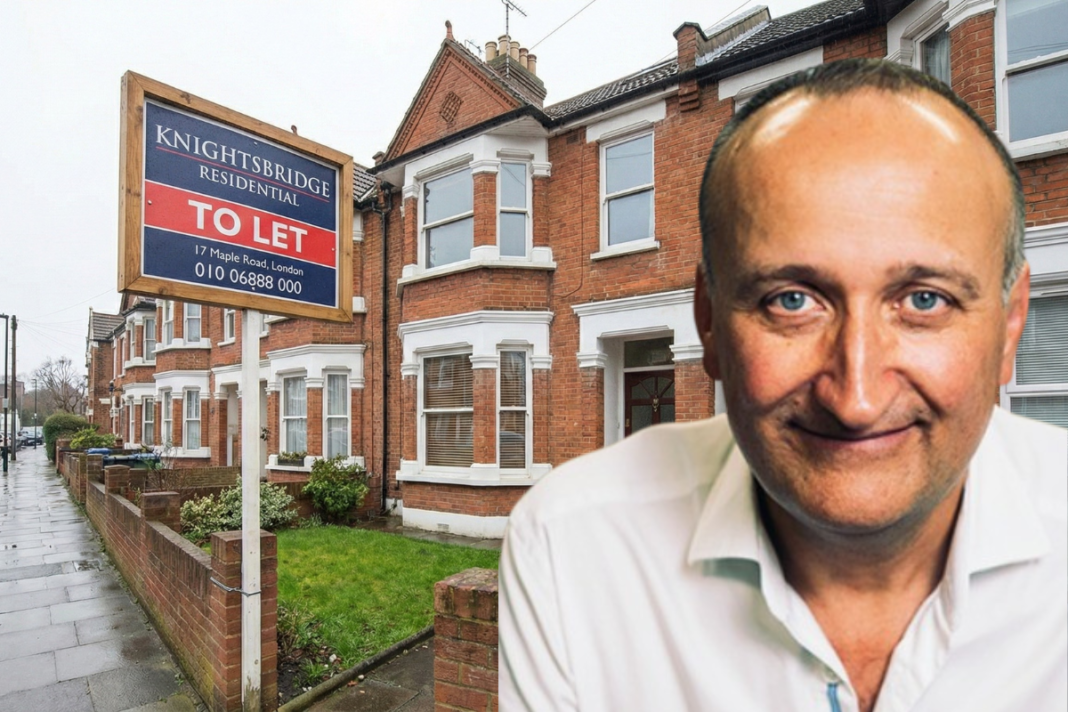
Richard Donnell (main picture, inset), Executive Director at Zoopla, says: “The rental market has made a big stride back towards normality over 2025 after a prolonged period of sky-high demand and a lack of homes for rent.
“This is welcome relief for renters who can expect to see a greater choice of homes, slower rent increases and a less competitive market.
“However, the high costs of buying a home remain a barrier to many renters, which will support demand for renting over 2026. While there are signs that landlords are buying homes again, we do not expect a big increase in supply, meaning rents are set to increase by 2.5% over 2026.”
UPWARD RENTS

Adam Jennings, Head of Lettings at Chestertons, adds: “Since the Budget, more aspiring first-time buyers are taking the necessary steps towards homeownership, which is further boosted by the current choice of mortgage deals.
“This has somewhat dampened demand for rental properties in some parts of the country and could result in rent levels remaining fairly balanced in 2026.
“That being said, if the sales market improves, some landlords may sell rental properties they had previously held back, potentially reducing rental supply. Combined with the ongoing strong tenant demand, particularly in London, this could cause rents to resume their upward trajectory.”