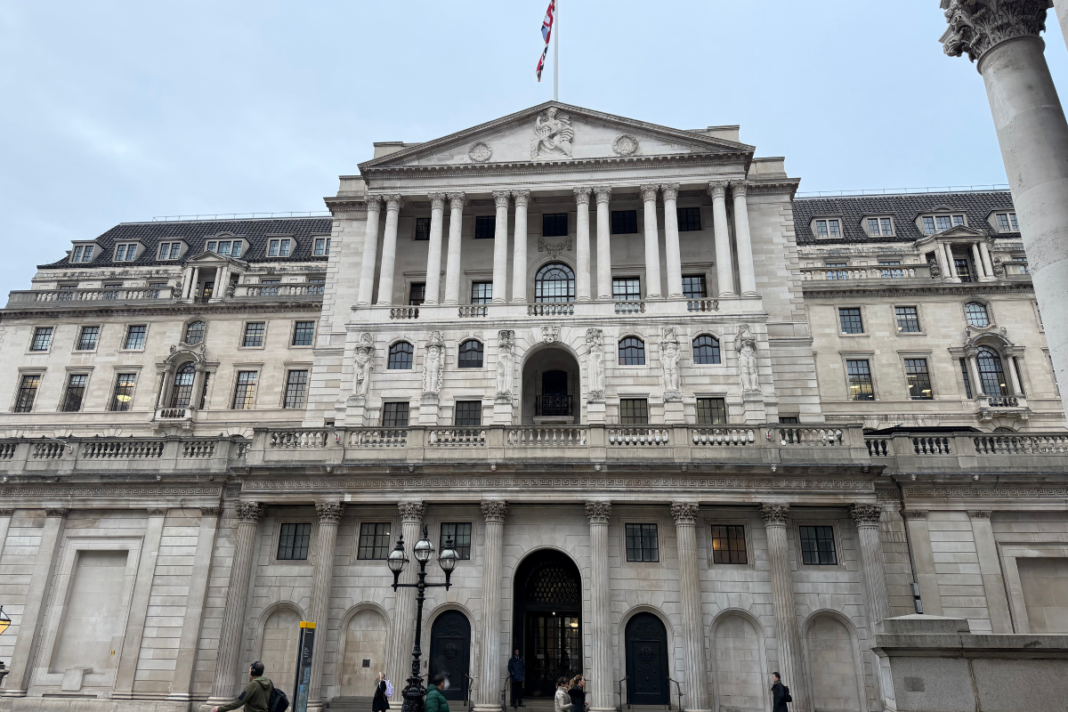
A February interest rate cut by the Bank of England today is looking increasingly unlikely as inflation proves stickier than hoped and leaving borrowers facing continued pressure on household finances, according to Equifax UK.
Paul Heywood, chief data and analytics officer at Equifax UK, says that the latest inflation figures complicate the outlook for policymakers, despite some of the rise being linked to seasonal spending patterns.
With the Monetary Policy Committee due to announce its latest decision at lunchtime today expectations are growing that rates will be left unchanged.
Affordability remains a central concern heading into 2026. Equifax data shows that outstanding UK credit card debt is still 12.7% above pre-pandemic levels, highlighting the strain on consumer finances even as headline inflation has eased from recent highs.
HIGHER HOUSING COSTS
The pressure on borrowers comes at a time when mortgage holders and renters alike are grappling with elevated housing costs, while lenders continue to sharpen their focus on affordability and credit risk.

Heywood says: “A jump in inflation complicates matters for the Bank of England. While the latest data can in part be attributed to seasonal spending factors, policymakers are likely to move with caution, making a February rate cut unlikely and leaving borrowers disappointed.
“Affordability continues to be a persistent challenge for the year ahead, and data from Equifax UK shows outstanding UK credit card debt remains 12.7% above pre-pandemic levels.
“Equifax will continue to work alongside its lending partners to help them understand borrower creditworthiness and affordability while also supporting borrowers to understand their financial health position.”
CAUTIOUS STANCE
Market sentiment suggests a similarly cautious stance from central banks elsewhere. One City analyst told Property Soup that eurozone annual inflation slowed to 1.7% year on year in January, down from 2.0% in December and in line with forecasts, marking its lowest level since September 2024.

The easing has coincided with a strong euro, which climbed above $1.20 at the start of 2026 before easing back to around $1.18.
Even so, markets expect the European Central Bank to keep rates on hold at its next meeting (also today) as policymakers weigh the disinflationary impact of a stronger currency and cheaper Chinese imports.
The analyst adds: “Gilts and swaps marginally up, so it’s all eyes on the BoE and ECB for today’s rate decisions and post event press briefings, don’t expect the unexpected as both look like taking a holding position.”