


Just one in five commercial property listings in London is attracting a buyer, underlining a highly selective investment market as demand shifts sharply between sectors.
New analysis shows only 18.2% of commercial assets currently on the market are under offer or sold subject to contract, despite continued investor activity across the capital.
The data highlights a clear divide between asset classes. Leisure properties are seeing the strongest demand, with 75% of listings securing buyers, followed by specialist assets at 54.2%. Build-to-rent schemes are also performing relatively well, with 30% of opportunities attracting interest.
By contrast, more traditional sectors are struggling to gain traction. Retail, which accounts for the largest share of available stock at 44.5%, has seen just 19.7% of assets attract buyers, while industrial sits at 16%.
GROWING MISMATCH
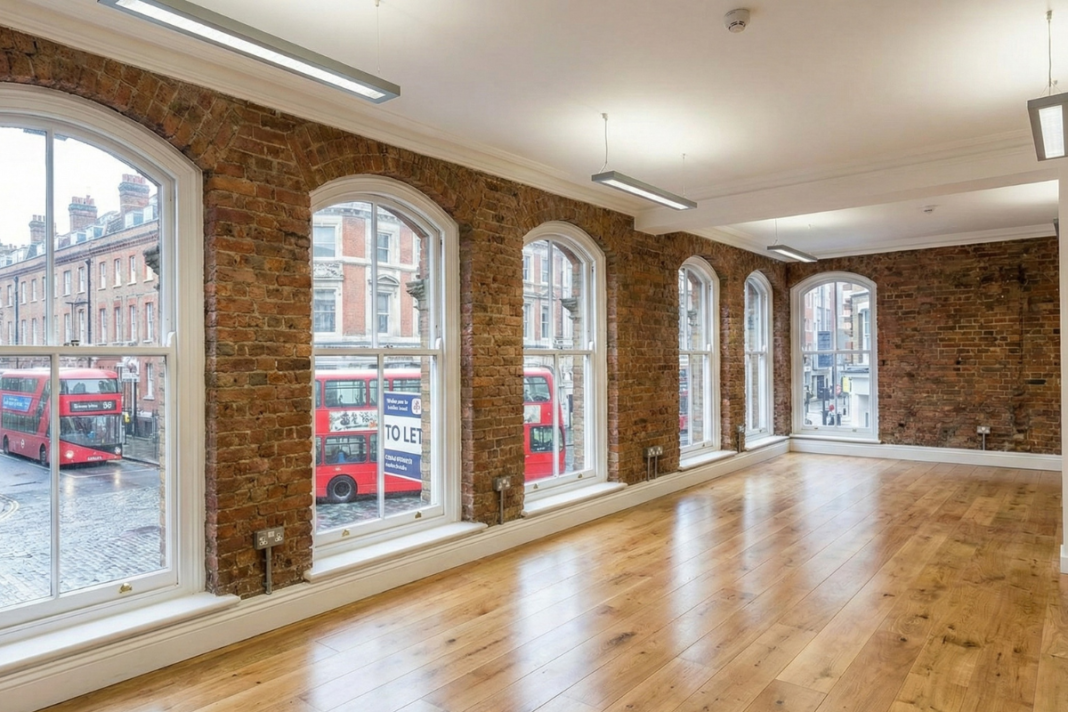
The weakest demand is in the office sector, where only 14.7% of listings have secured interest, despite making up over a third of all commercial property currently for sale in London.
The figures point to a growing mismatch between what is available and what investors want, particularly in offices where older stock is increasingly out of step with modern occupier expectations around flexibility, design and amenities.
Developers are beginning to target these opportunities, focusing on repositioning well-located buildings to meet changing workplace demands.
SELECTIVE MARKET

Mahir Vachani, director at BPS London Developments, says: “What this data highlights is just how selective the market has become. Investors are no longer taking a broad approach across commercial property, they are targeting specific sectors and assets that align with long-term demand.
“At the same time, the office sector is undergoing a period of transition. It’s not a question of whether offices are needed, but whether the existing stock meets the expectations of today’s workforce.
“Our recent acquisition on Tottenham Court Road reflects our belief that there is a clear opportunity to reposition well-located office buildings.”