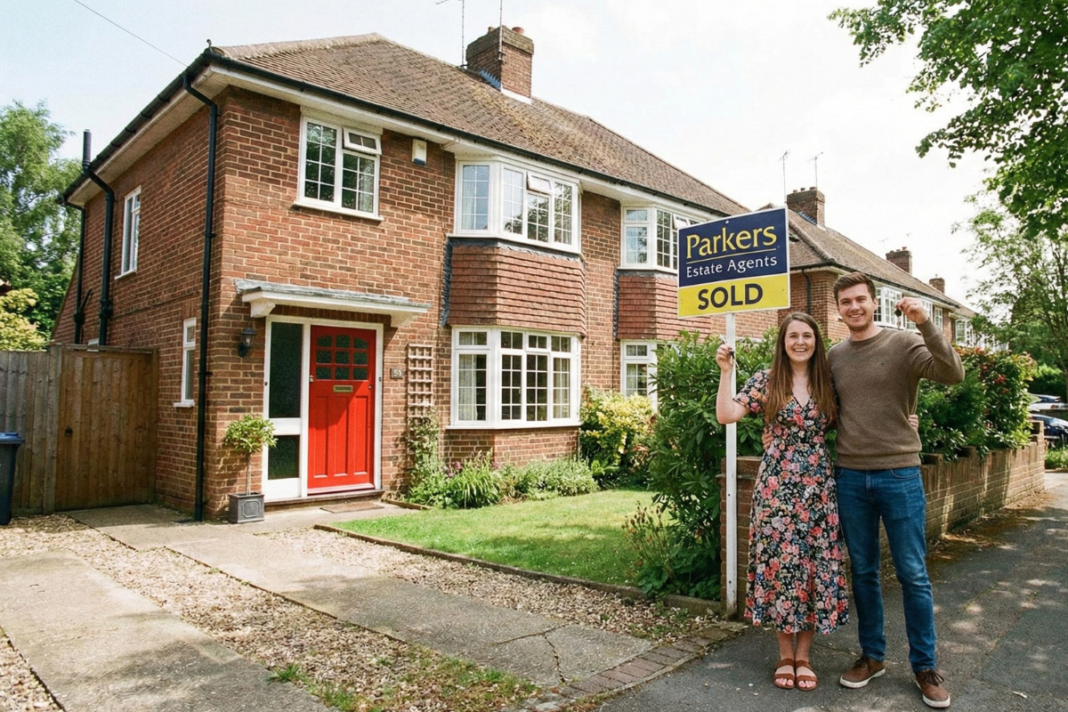


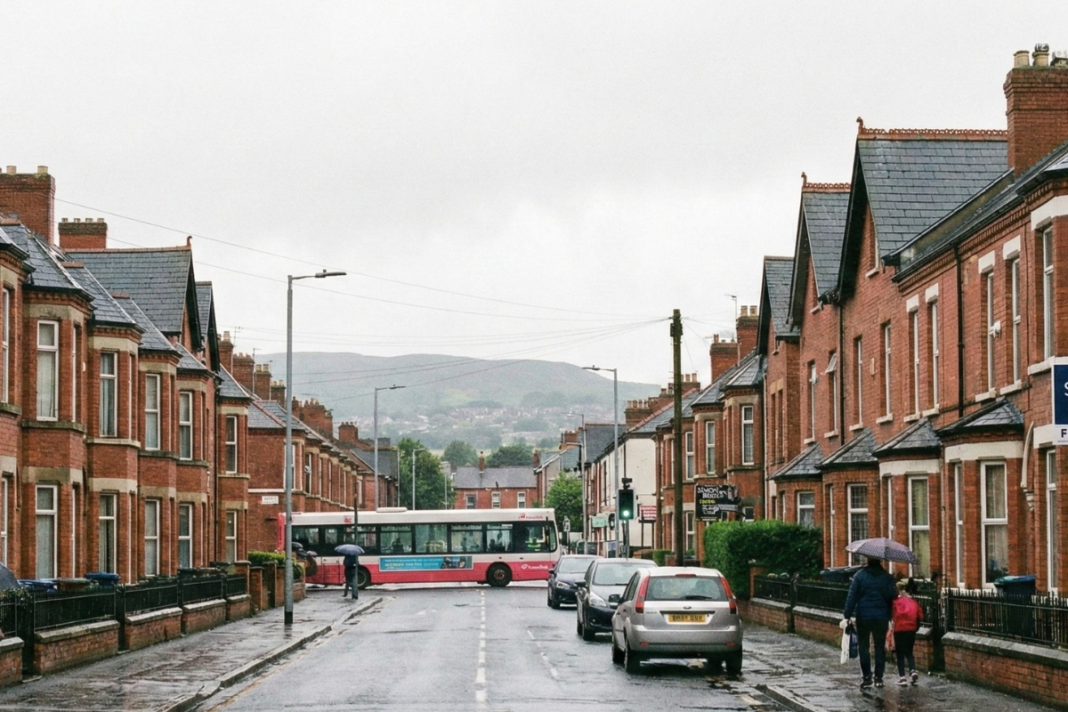
House prices in Northern Ireland have risen nearly twice as fast as the UK average since before the pandemic.
Research by Smart Mortgage Insurance, based on UK House Price Index and Department of Finance data, shows average residential property prices in Northern Ireland climbed from £133,173 in Q1 2020 to £193,247 in Q4 2025.
That represents a 45% increase in five years, adding more than £60,000 to the value of the typical home. Over the same period, the UK average rose by 27%, meaning Northern Ireland outpaced the national market by 18 percentage points.
In proportional terms, price growth in Northern Ireland has been around two-thirds stronger than across the UK overall, underlining a marked regional divergence in the post-pandemic housing market.
WIDESPREAD GROWTH
Growth has been widespread rather than concentrated in a single urban hotspot. Ards and North Down and Derry City and Strabane recorded the joint highest increases at 51%.
In Ards and North Down, average prices jumped from £147,963 to £222,919, while Derry City and Strabane saw values rise from £120,962 to £182,910.
Newry, Mourne and Down followed with 49% growth, taking average prices above £206,000. Mid Ulster posted a 48% rise. Even Belfast, which recorded the lowest percentage increase, saw prices climb 40% to £177,609.
The data suggests that traditionally lower-priced regional districts have narrowed the gap with the capital, with several areas now sitting above the Northern Ireland average.
Analysts say the surge reflects a combination of factors, including historically lower starting prices, strong pandemic-era demand supported by low mortgage rates, relatively tight supply and the sensitivity of smaller housing markets to shifts in buyer activity.

SERIOUS RED FLAG
Michael Curran, Housing Market Analyst at Smart Mortgage Insurance, says: “NI Water’s recent recommendation to refuse plans for 15,000 homes over wastewater capacity is a serious red flag.
“If development slows as a result, reduced supply will only add further upward pressure to house prices across Northern Ireland.”
For buyers, the figures point to a significantly more expensive and competitive market than in early 2020.
For homeowners, the post-Covid boom has delivered substantial equity gains – but may also raise questions around affordability and future supply constraints.
AFFORDABILITY RISK

Mary-Lou Press, NAEA Propertymark President, says: “Northern Ireland’s strong house price growth reflects a combination of tight housing supply, a smaller market that reacts quickly to demand, and historically more affordable prices compared to many parts of the UK, making it an increasingly attractive place to live and work.
“However, with prices rising significantly faster than the UK average since the pandemic, sustained growth at this pace risks undermining affordability, particularly for first-time buyers, and could intensify existing supply pressures.
“The Northern Ireland Housing Executive’s target to deliver 100,000 new homes by 2039, alongside support schemes for buyers, is therefore vital. Increasing supply at scale will be essential to maintaining stability, protecting affordability and ensuring long-term, sustainable growth.”