Britain’s housing market may have limped to just 1.9% growth in 2025 but beneath the headline figure a stark regional divide has opened up, with northern England and Scotland surging ahead while London and the South fall back.
Latest analysis from Benham and Reeves, based on the latest UK House Price Index data, shows that Great Britain ended 2025 with an average house price of £272,618. But that modest national rise masks far stronger performances in more affordable regions.
The North East led the charge, with prices climbing 6.7% to £165,257. The North West followed at 4.6%, Wales at 4.3% and Yorkshire & Humber at 4%.
In contrast, the country’s most expensive markets saw prices retreat. London fell by -2.2% to £551,294, while the South East (-0.6%) and South West (-0.2%) also recorded annual declines.
GROWTH GAP
At local authority level, the growth gap is even more pronounced. South Tyneside (10.9%) and Northumberland (10.7%) posted the strongest gains in the country.
Scotland dominated the top rankings, with Argyll and Bute (10.3%), South Lanarkshire (9.6%), West Dunbartonshire (9.3%), Orkney Islands (9%) and Clackmannanshire (8.8%) all among the fastest-growing districts.
Elsewhere, Stevenage (8.8%), Forest of Dean (8.7%) and the Isle of Anglesey (8.6%) also delivered standout growth. Liverpool topped the North West at 8.3%, Stratford led the West Midlands at 8.1%, and Rushmoor headed the South East at 8%.
Bradford was Yorkshire & Humber’s strongest performer at 7.1%, while Bromley defied the wider London slowdown with 6.3% growth.
CONSISTENT MOMENTUM
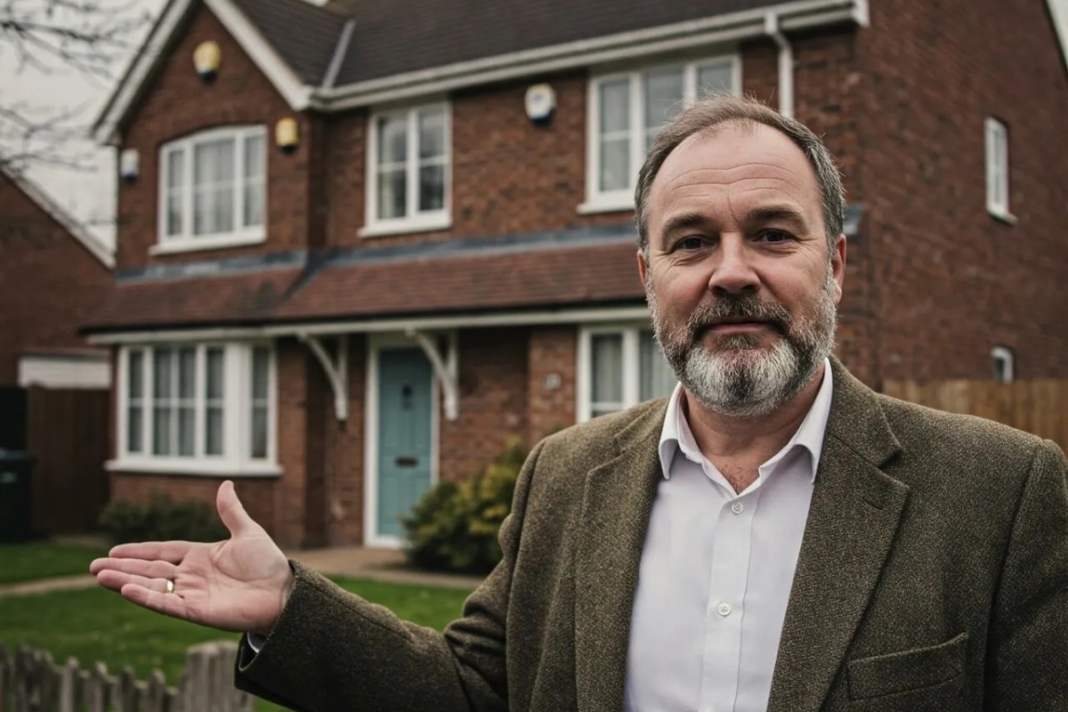
Marc von Grundherr (main picture, inset), Director of Benham and Reeves, says: “While headline house price growth across Great Britain remained relatively modest in 2025, the underlying regional story is far more dynamic.
“Northern markets and Scotland, in particular, have demonstrated robust and consistent momentum, driven by relative affordability, sustained buyer demand, and improving economic confidence.”
STRETCHED AFFORDABILITY
He adds: “At the same time, we’ve seen price corrections across some of the traditionally more expensive southern markets, as higher borrowing costs and stretched affordability continue to influence buyer behaviour.
“As we move further into 2026, we expect this regional divergence to persist in the short term, with comparatively affordable markets continuing to outperform.
“However, as mortgage rates stabilise and confidence strengthens, we anticipate a gradual return to more balanced, widespread growth across the UK market as a whole.”