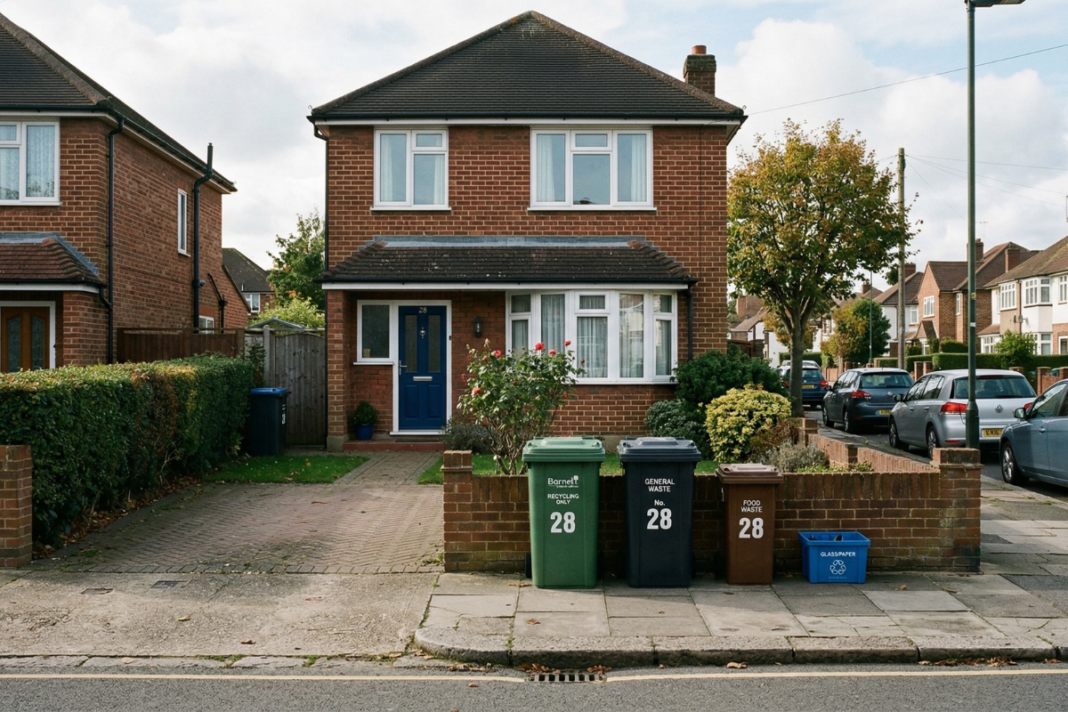
New recycling rules coming into force at the end of March could trigger neighbour complaints and missed collections as households adjust to stricter waste sorting requirements.
From March 31, councils across England will begin rolling out the Government’s Simpler Recycling scheme, which is designed to standardise collections and end the postcode lottery in how rubbish is sorted.
Under the changes, many households will need to separate waste into multiple containers, including food waste, mixed recycling, paper and cardboard, and general rubbish. In some areas this will mean up to four bins.
Legal experts warn the more complex system could lead to disputes, particularly where bins are shared or collections are refused because of contamination.
BIN WARS

Simarjot Singh Judge, Managing Partner at Judge Law, says: “Where recycling systems become more complex, there is always a risk of disputes arising, particularly if one household’s actions affect others.
“If a bin is contaminated, councils can refuse to collect it, which can impact not just one household but others nearby.
“In those situations, it is not uncommon for neighbours to raise complaints, particularly if they feel someone else’s behaviour is affecting their service.”
ENFORCEMENT ACTION
Councils have the power to issue warnings or take enforcement action if recycling rules are repeatedly ignored, although most are expected to take a soft approach while the new system beds in.
The introduction of separate food waste collections is expected to cause the most confusion, with households warned to check local guidance carefully to avoid missed collections and complaints from neighbours.