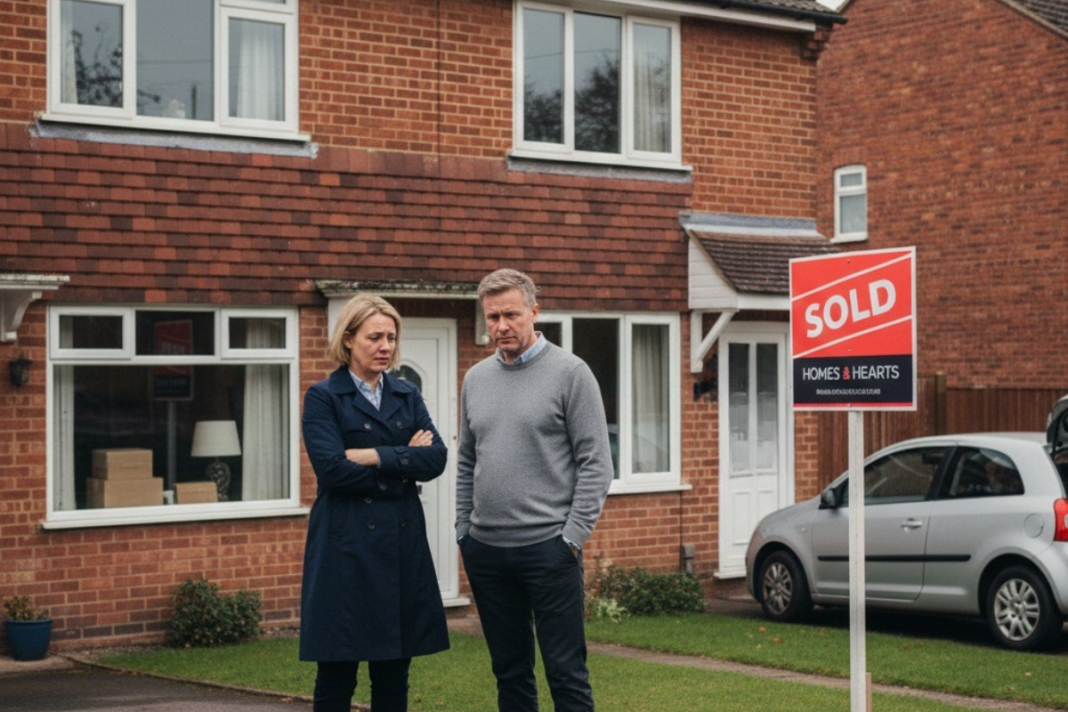
Nationwide Building Society expects UK house prices to rise modestly in 2026 as improving affordability and steady buyer demand support the market following a resilient 2025.
Housing activity this year proved stronger than many forecasters anticipated, despite muted consumer confidence and mortgage rates that remain far higher than their post-pandemic lows.
Mortgage approvals stayed close to pre-Covid levels, helped by stable employment and gradually easing lending conditions.
Stamp duty changes in April triggered a temporary rush of transactions ahead of the deadline, followed by softer activity in subsequent months. However, underlying demand remained broadly stable across the year.
GROWTH SLOWED
Nationwide said annual house price growth slowed from 4.7% at the end of 2024 to 1.8% by November 2025 but left values close to their 2022 peak.
With earnings growth outpacing house price inflation and mortgage rates edging lower, affordability pressures have begun to ease.
First-time buyers’ share of purchases rose above the long-run average, supported by improved credit availability and a rise in high loan-to-value lending.
The regional picture remained uneven. Northern Ireland led the UK with average price growth of 11% across the first nine months of 2025, although values there are still about 6% below their 2007 peak.
London was the weakest region, at 1.3% annual growth, while northern regions continued to outperform the south, narrowing the long-standing price gap to its lowest level since 2013.

STRENGTHENING ACTIVITY
Looking ahead, Nationwide expects activity to strengthen gradually next year.

Robert Gardner, the lender’s Chief Economist, says: “We expect housing market activity to strengthen a little further as affordability improves gradually via income growth outpacing house price growth and a further modest decline in interest rates.
“We expect annual house price growth to remain broadly in the 2 to 4% range next year.
“The changes to property taxes announced in the Budget are unlikely to have a significant impact on the market.”
Hoowever he adds that higher taxes on property income may further dampen buy-to-let investment and constrain rental supply, potentially sustaining upward pressure on rents.
INDUSTRY REACTION

Iain Mckenzie, CEO of The Guild of Property Professionals, says: “The latest Nationwide HPI figures show the market ending 2025 on a softer note, with annual price growth easing to 0.6%, but this should be seen more as a gentle cooling than any loss of underlying resilience.
“Price growth remained remarkably steady throughout the year despite pre-Budget uncertainty and a notable increase in the number of homes for sale.
“What’s particularly encouraging is that activity has held up well. With around 1.2 million homes sold in 2025, the highest level since 2022. It’s clear that steady mortgage rates and rising wages have continued to support demand, even as buyers became more price-conscious towards the end of the year.”
TIMELY BOOST
And he adds: “The Bank of England’s decision in December to cut the Bank Rate from 4% to 3.75% is a timely boost for confidence. While inflation remains above target, the latest figure coming in lower than expected will help reinforce sentiment.
“Lower borrowing costs, combined with a Budget that proved less severe than many feared, should underpin activity as we head into the spring 2026 selling season.
“Overall, while headline price growth has slowed, the fundamentals remain positive.
“We expect market momentum to strengthen in the New Year as improved affordability and greater certainty encourage more buyers and sellers to make their move.”
ENCOURAGING OUTCOME

Nathan Emerson, CEO of Propertymark, says: “Aspiring and current homeowners will no doubt have felt reassured heading into the end of the year, with falling inflation and base rates improving affordability and helping more buyers consider their next move during 2026.
“Given the number of policy and economic changes the housing market experienced throughout 2025, including legislative updates, mortgage rate fluctuations, and the Autumn Budget, a period of price stability is an encouraging outcome.
“Stable house prices provide a solid foundation for the year ahead, allowing buyers and sellers to make more informed decisions without the pressure of rapid price movements.
“As the market continues to adjust, this stability should support activity and confidence throughout 2026.”
GOOD SIGNS

Jeremy Leaf, north London estate agent and a former RICS Residential Chairman, says: “Although the level of house price increases of the past few months have not been maintained, this is not surprising given the huge uncertainty surrounding the contents of the Budget which prevailed in the final quarter of last year at least.
“Improvements in affordability, prompted by recent falls in inflation and interest rates, as well as relief the Chancellor’s measures were not as painful as many feared, have helped to stir buyers and sellers from their seasonal hibernation.
“It is still a little early to determine the quality of the increase in the quantity of post-Christmas enquiries but early signs are encouraging.”
MORE OPTIMISM

Amy Reynolds, Head of Sales at Richmond estate agency Antony Roberts, says: “A fresh new year and the expectation of continued lower mortgage rates should help restore buyer confidence post-Budget and improve transaction numbers.
“There is more optimism and a feeling of relief now that the Budget is over. We do not expect huge price rises and a racing market, more a return to the ‘normal’ pre-Budget market which has been on hiatus while everyone waited to see what the Government would roll out.”
REMARKABLE RESILIENCE

Jason Tebb, President of OnTheMarket, says: “As 2025 drew to a close, overall the housing market demonstrated remarkable resilience, particularly given the uncertainty that prevailed for many weeks in the run-up to the Budget.
“Activity has been steady as focused buyers and sellers proceed with their transactions. While property values are being held in check partly as affordability challenges remain a concern, particularly in Southern England, some pent-up demand – which resulted in decisions being put on hold towards the tail end of last year – may now result in a January market which is busier than one would normally expect.
“Encouragingly, the number of first-time buyers picked up over the past year, which is important for the overall health and functioning of the housing market.
“Another base-rate reduction in December eased some of the pressure on borrowers, with lenders ending the year trimming rates. The rock-bottom mortgage rates of the past may be behind us, but buyers have adapted, and with the hope of further cuts to come, they can plan ahead with more confidence.”
AMPLIFIED SLOWDOWN

Ian Futcher, Financial Planner at Quilter, says: “Although Christmas is now behind us, December itself is rarely a month that sees much momentum in the housing market.
“This year, that seasonal slowdown was amplified by the timing of the budget. With key fiscal decisions pushed later into the year, many prospective buyers and movers chose to put plans on ice until they had clarity on the policy landscape, before then allowing those plans to slip further as attention turned to the festive period.
“Against that backdrop, Nationwide’s figures showing prices slipping back by 0.6% over the month reflect a market that was firmly in ‘wait and see’ mode.
“On an annual basis, prices are just 0.6% higher than a year ago, underlining that activity has been subdued and house prices have stagnated. A lack of available housing stock continues to provide underlying support, but affordability pressures limits how far prices can move ahead.”
TURNING POINT
And he adds: “The interest rate backdrop has now shifted though. The Bank of England’s decision to cut rates in December marks an important turning point after a prolonged period of tight monetary policy.
“However, this alone is unlikely to unlock a rapid recovery in activity. Many households remain cautious, and the market may continue to move slowly in the early part of the year.
“That slower backdrop is important when thinking about mortgage pricing. With demand still tentative, lenders are likely to compete hard for business, particularly among lower-risk borrowers. That competitive pressure should help keep mortgage rates edging lower over time, even if the improvements are gradual rather than dramatic.”