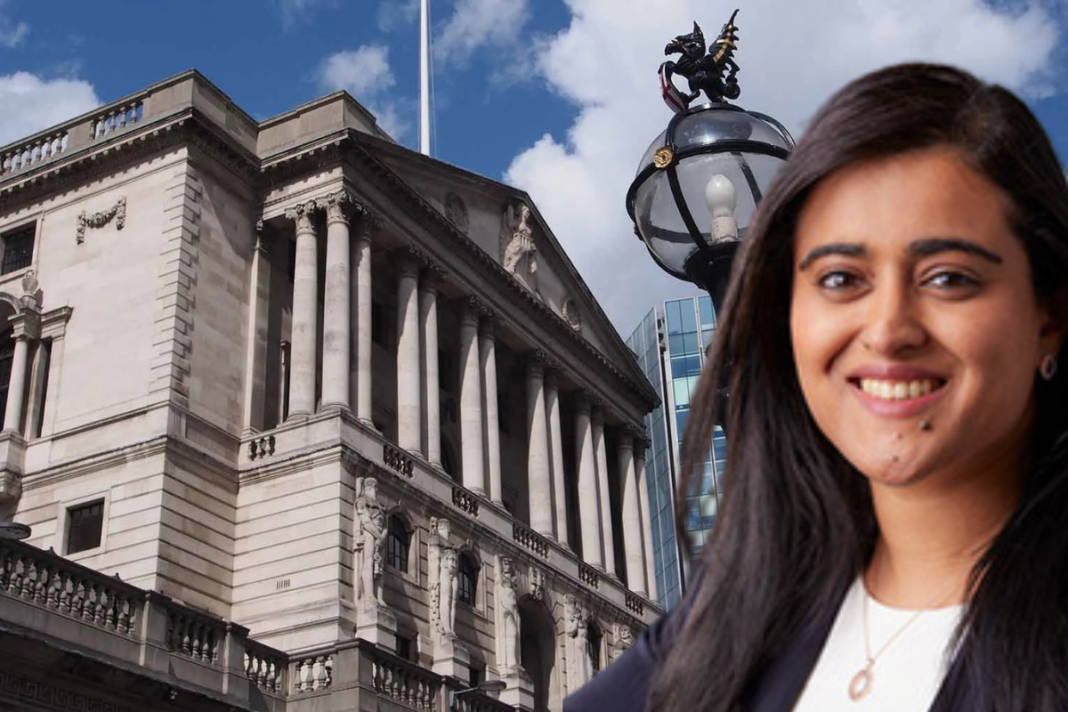
A cut in interest rates next week is now seen as highly likely with financial markets pricing in a near-certain move from the Bank of England as inflation eases and labour market data softens.
Expectations of a reduction have strengthened in recent days, raising hopes of relief for borrowers after a period in which average mortgage rates on existing loans have continued to edge higher.
However, the path beyond next week remains uncertain with the Monetary Policy Committee still split on how quickly to unwind its tightening cycle.
August’s quarter-point cut passed by only a narrow margin, shining a light on the sharp divide between members focused on persistent domestic inflation pressures and those who believe weakening economic indicators argue for further easing.
STICKY INFLATION
Concerns on the hawkish side include inflation still sitting above target, recent increases in the minimum wage and the continued stickiness of services inflation.
By contrast, more dovish members have emphasised the slowdown in employment and the Bank’s own assessment that recent Budget measures on energy prices and rail fares could reduce inflation by around 0.5 percentage points.
UNCLEAR FUTURE
Hetal Mehta (main picture, inset), Chief Economist at St. James’s Place, says: “The recent slowing in the labour market and lower than expected inflation data has allowed the Bank of England to signal its willingness to cut interest rates at next week’s meeting. Indeed, markets are currently pricing in a 92% chance of a 25bp cut in the base rate next week.
“This will be welcome news to borrowers and mortgage holders – especially at a time when the average mortgage rate on existing loans has continued to rise.
“However, the path from there looks decidedly more unclear. The MPC seem split between hawks and doves, with the 25bp cut in August only passing with a narrow 5-4 majority.”

SLOWING EMPLYMENT
And she adds: “Those on the hawkish (keep rates steady) side point to inflation remaining above the 2% target level, the increases in the minimum wage and a general stickiness in services inflation.
“Those on the dovish (favour cutting rates) side point to a slowing employment picture and the BoE’s own analysis that predicts a drop in inflation of 0.5% via the recent budget actions surrounding energy prices and rail fares.”