


The government has secured new commitments from major lenders to ramp up support for mortgage customers as millions approach the end of fixed-rate deals.
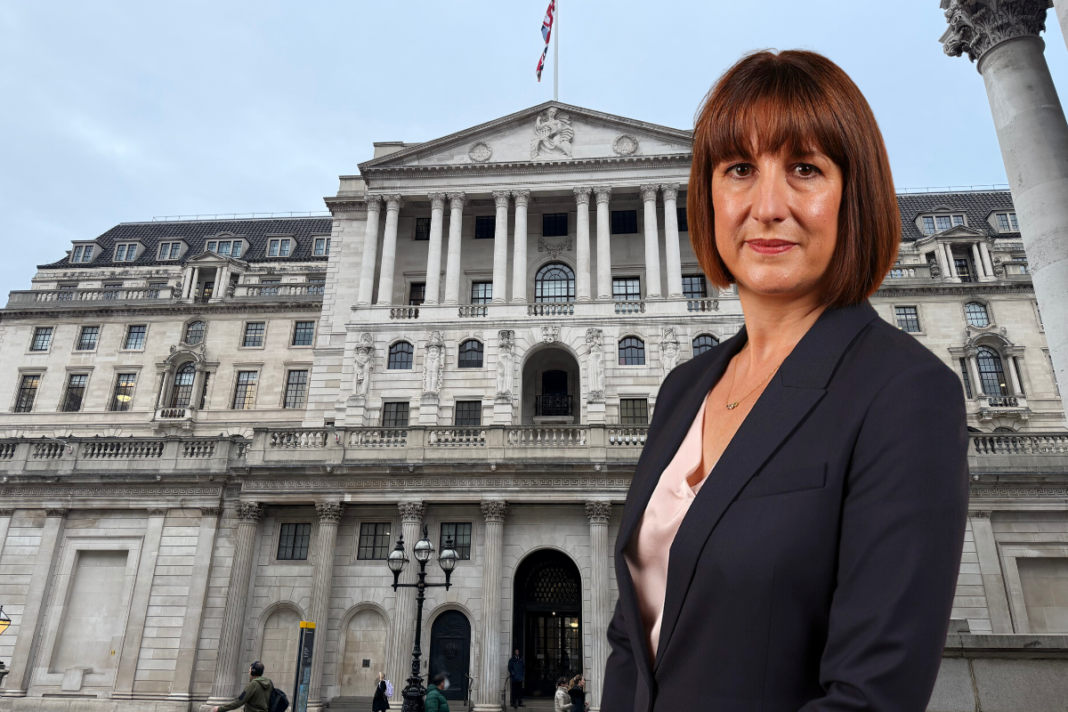
Last week Chancellor Rachel Reeves (main picture, inset) met with the UK’s six largest banks and building societies, alongside UK Finance, to assess the impact of rising geopolitical tensions on households and small businesses.
Following the meeting, lenders have agreed to proactively contact around 1.6 million borrowers whose fixed-rate mortgages are due to expire before the end of the year.
The move is designed to ensure customers understand their options and can access support before facing higher monthly repayments.
MORTGAGE CHARTER BACKING
The government also reaffirmed its backing for the Mortgage Charter, which allows borrowers to secure a new rate up to six months in advance and switch deals with their existing lender without a fresh affordability assessment.
Temporary support measures, including interest-only periods, also remain available without affecting credit scores.
The intervention comes as borrowers continue to navigate higher mortgage costs, although arrears remain low and lending activity broadly stable.
Around 86% of UK mortgages are currently on fixed rates, limiting immediate exposure to market volatility.
HELP AND REASSURANCE
Reeves says: “In uncertain times, people need clear reassurance and practical help. That’s why I’ve brought the biggest lenders together to step up support and make sure anyone who is worried can access the Mortgage Charter options quickly, without their credit score being affected.”

Damien Burke, Head of Regulatory Practice at Broadstone, adds: “This is a positive step that should help borrowers better understand their options well before their fixed-rate deals end, which can make a significant difference in helping households plan and manage higher repayments.
“At a time of macro-economic uncertainty, proactive communication and early engagement are often the most effective ways to provide reassurance and prevent short-term payment pressure from turning into longer-term financial difficulty.”