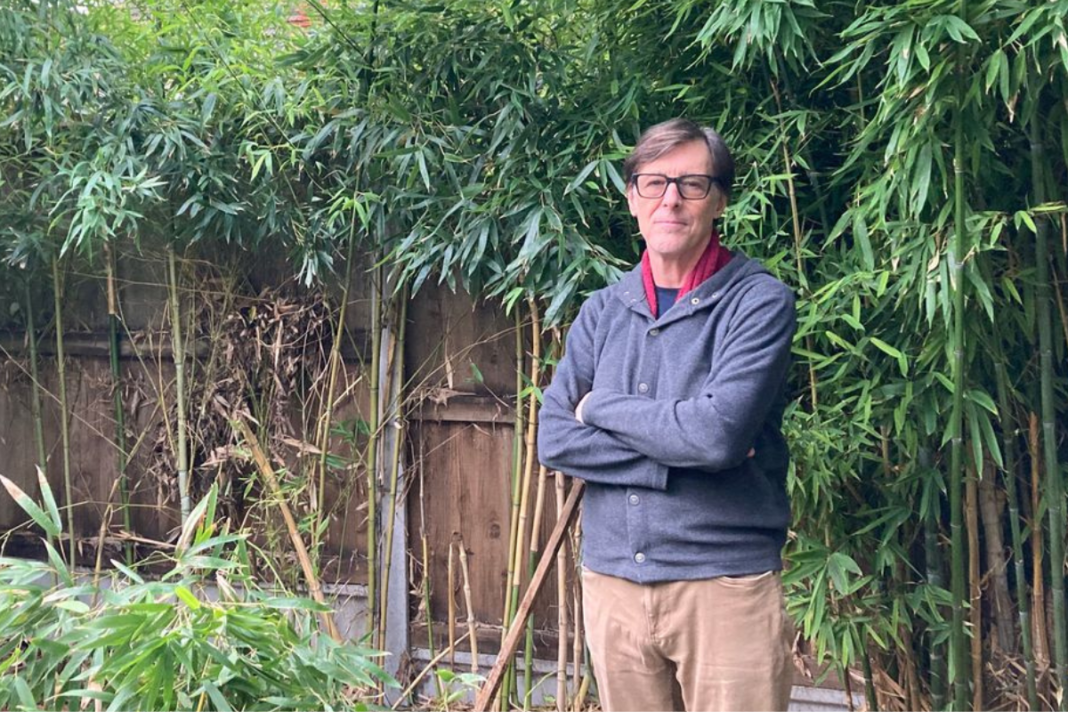
Homebuyers are being urged to check gardens carefully for bamboo after a couple in Kent discovered that a decorative screen planted by previous owners had spread underground into neighbouring properties, leaving them facing a costly and complex removal operation.
The problem emerged at a semi-detached house in Ramsgate, where bamboo planted along a rear boundary went unnoticed for years before shoots began appearing in a neighbour’s garden and pushing through a concrete path.
Further investigation revealed that the plant had also spread beneath a garden shed and into two adjoining gardens.
Specialist contractors later found a dense network of bamboo rhizomes beneath the shed’s concrete base, requiring full excavation of the affected area. The work, carried out by the invasive plant specialists Environet, includes a five-year insurance-backed guarantee against regrowth.
GROWING CONCERN
The case highlights growing concern about invasive bamboo, which is not subject to the same disclosure requirements as Japanese knotweed. Sellers are not legally obliged to declare its presence during a property sale, leaving buyers reliant on visual checks or surveyor reports to identify potential risks.
According to Environet, demand for bamboo removal has doubled over the past five years, with many homeowners only discovering a problem after moving in.
The company estimates that around 8% of UK homes – roughly two million properties – may now be affected.
“It looked like a beautiful screen along the boundary.”
Michael McEvoy, who owns the Ramsgate property with his wife, says: “When we bought the property, we had no idea about the problems bamboo can cause. It looked like a beautiful screen along the boundary, but it wasn’t until several years later when our neighbours knocked on the door that we realised we had a problem on our hands.
“When we took down the shed and saw the spaghetti-like tangle of bamboo rhizome underneath, we couldn’t believe it.

“Thankfully we caught it in time and we have good relations with our neighbours who have been very understanding – but as it’s spread from our garden into theirs, we are responsible for removing it.”
PROPERTY DAMAGE
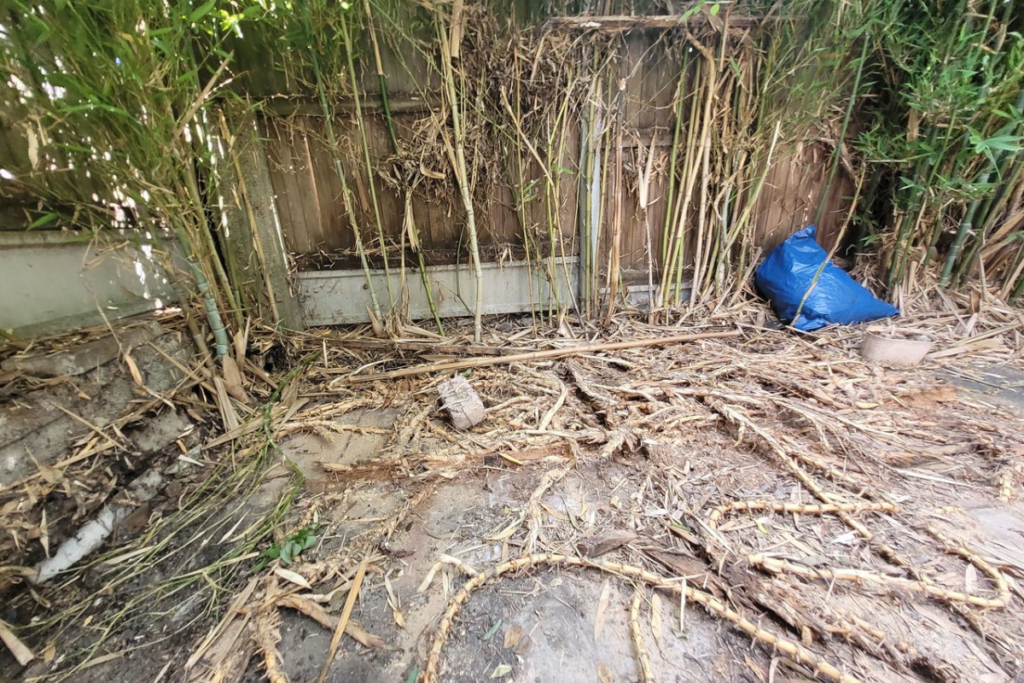
Running bamboo varieties can spread rapidly underground, with roots travelling more than ten metres from the original plant.
Their rigid shoots are capable of forcing their way through tarmac, paths, cavity walls and weaknesses in brickwork or concrete, increasing the risk of property damage and neighbour disputes.
Despite these risks, public awareness remains limited. A YouGov survey conducted in March 2025 found that 54% of people were unaware that bamboo could cause structural damage or legal problems.
The plant remains widely sold in garden centres and nurseries, often without clear warnings about its invasive potential.
NEIGHBOUR DISPUTES

Emily Grant, Director at Environet, says: “When people think of invasive plants it’s usually Japanese knotweed that springs to mind, but we deal with significantly more cases of bamboo and the damage to properties and gardens can be just as severe – if not greater.
“We often see it planted on boundaries for privacy, which means it can easily encroach and lead to neighbour disputes.
“In the McEvoys’ case, the bamboo was planted before they moved in and took several years to become established and start spreading. By the time they realised there was an issue, the damage was already done – a situation we see frequently.”
SURVEYOR HELP
She adds: “A good surveyor should flag bamboo on a property survey if there are signs it could be spreading, but they aren’t obliged to do so.
“To be on the safe side, homebuyers should always check for bamboo themselves and determine whether it’s a running variety, as opposed to the less problematic clumping varieties.
“If they have any concerns, the best course of action is to commission a specialist survey to find out it would cost to remove it and consider renegotiating the purchase price to reflect that.”