


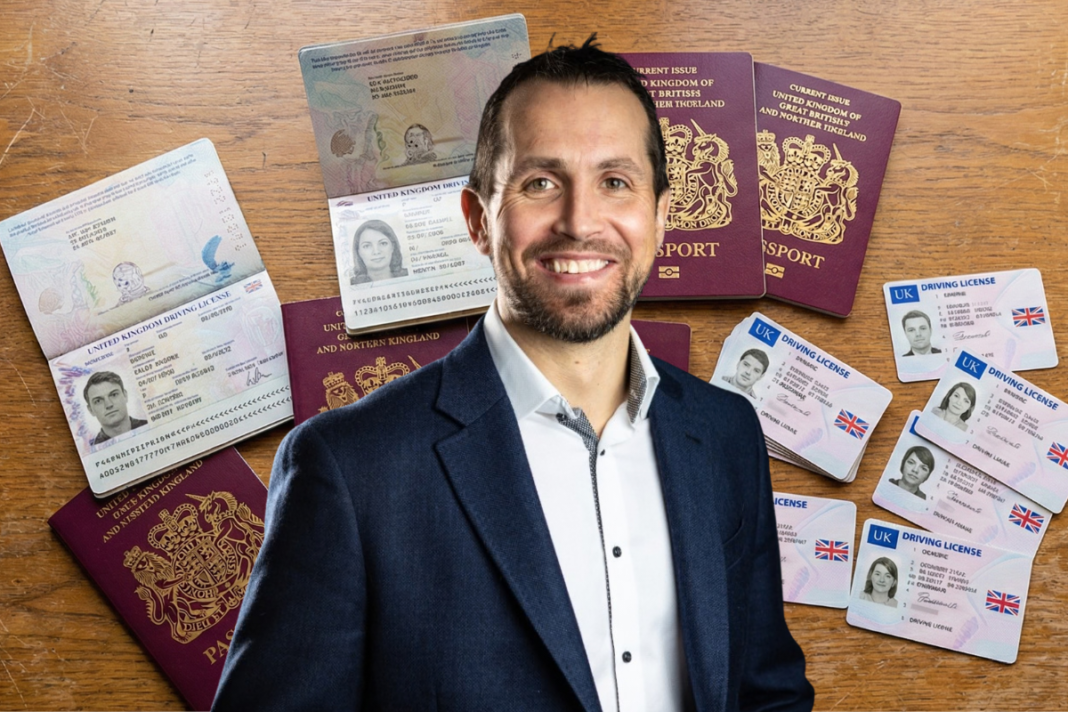
A lack of consumer understanding around digital identity verification is leaving homebuyers exposed to fraud latest research from Credas Technologies reveals.
The study found that 62% of UK homebuyers are sending copies of identity documents via email, while one in ten are sharing them through WhatsApp – channels that offer no formal encryption safeguards, audit trails or structured security controls.
The findings are particularly stark given that homebuyers are subject to some of the most rigorous identity checks of any consumer group, including anti-money laundering requirements. Yet despite the risks, insecure document sharing remains widespread.
At the same time, 86% of respondents said having control over when and how their personal data is shared is important or very important, while 32% cited lack of transparency as a major concern during the verification process.
EDUCATION GAP
Credas says the results point to a broader national education gap, with many consumers failing to understand how digital identity systems work or why they offer stronger protection than traditional document sharing methods.
Neil Williams (main picture, inset), CTO at Credas, says: “The problem isn’t that the public doesn’t trust digital identity – it’s that very few have explained what it actually is or how it protects them better than ‘traditional’ methods.
“As a provider certified against the UK Government’s Digital Identity and Attributes Trust Framework, we know that the technology exists to give people the control and protection they’re asking for.
“However, if businesses don’t explain what they’re offering and why it matters, consumers will continue falling back on insecure alternatives, including emailing documents.”
FRAUD VULNERABILITY
And he adds: “Education isn’t marketing, it’s a duty of care. Businesses rolling out digital verification have an obligation to explain what they’re asking people to do and why it’s safer.

“Without that, we’re leaving consumers vulnerable to fraud and holding back the solutions designed to protect them.”
Credas is urging firms across property, financial services and healthcare to prioritise clearer communication around digital ID processes, warning that without greater consumer awareness, fraud risks will persist despite the availability of more secure technology.