Almost one in three agreed property sales in the UK fall through before completion and costing homeowners hundreds of millions of pounds each year, latest analysis shows.
Data compiled by Open Property Group suggests that between 28 and 31% of agreed sales collapse, despite headline figures showing just over one million residential transactions typically completing in a full year.
The figures mask a far higher number of attempted sales that never reach completion, with transactions commonly failing due to broken chains, down-valuations, mortgage refusals, gazumping and delays in the conveyancing process.
Government analysis linked to home buying and selling reform estimates that failed transactions cost buyers and sellers more than £400 million annually in wasted fees, including legal costs, surveys, mortgage valuations and administration charges.
COSTLY FAILS
Individuals lose an average of £2,700 per failed sale, with some losses exceeding £5,000.
Beyond the financial hit, failed deals reduce market liquidity, prolong chains and add to the stress and uncertainty faced by households already dealing with high living costs and volatile mortgage rates.

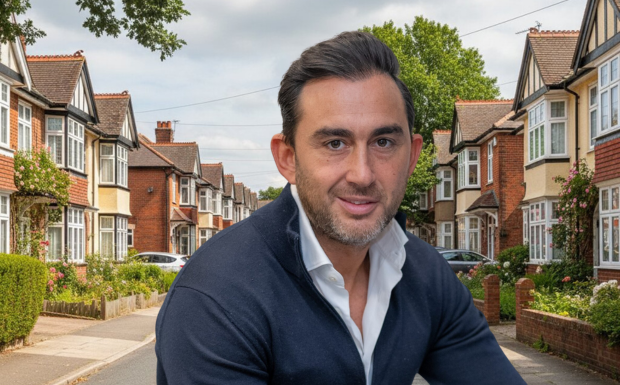
And Jason Harris-Cohen, managing director of Open Property Group, reckons the figures expose a gap between headline transaction data and the lived experience of sellers.
He says: “On paper, transaction volumes can look reassuring, but they don’t show how many people are stuck in failed sales for months, paying fees and living in limbo,” he said.
“We speak to homeowners every day who have lost thousands of pounds through no fault of their own because a buyer pulled out late or a chain collapsed. For many, the hidden cost isn’t just financial, it’s emotional stress, delayed life plans and growing uncertainty.”

TRUST EROSION
He adds: “When sales fall through repeatedly, trust in the system erodes, and people begin to question whether the traditional process is fit for purpose in today’s market. That loss of confidence has wider consequences, slowing movement across the housing market and discouraging sellers from re-listing quickly.
Over time, this reduces choice for buyers and ultimately weakens the resilience of the entire property market.
“For homeowners under time pressure, whether due to financial strain, probate timelines or personal circumstances, these delays can be devastating. Many are left absorbing repeated costs while facing mounting uncertainty, with little recourse when transactions collapse late in the process.
“Without meaningful reform or alternative routes to sale, the imbalance of risk remains firmly stacked against sellers, who continue to pay the price for a system that fails to deliver certainty.”