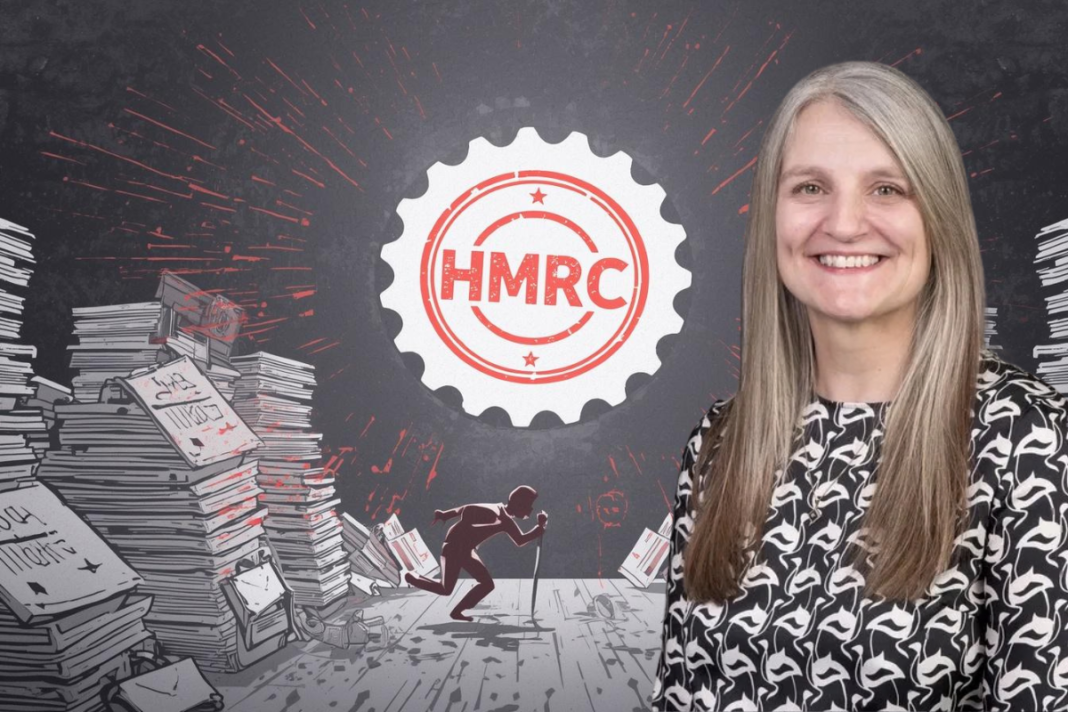
The Conveyancing Association has warned that HMRC’s proposal to require conveyancing firms to register as ‘tax advisers’ in order to submit Stamp Duty Land Tax (SDLT) returns could add cost, confusion and delay to property transactions.
Property Soup revealed last month how conveyancing fees are set to rise from May 2026 as solicitors and licensed conveyancers will be required to register as tax advisers to continue submitting SDLT returns on behalf of clients.
Under the planned changes, firms interacting with HMRC on SDLT matters would need to join a mandatory tax adviser register from May 2026.
While there is no direct fee attached to registration, the CA says the compliance burden and potential professional risks could have wider consequences for the home moving process.
TRANSACTION TIMES HIT
Now the Conveyancing Association argues that conveyancers already file SDLT returns as part of routine transactional work and that relabelling them as ‘tax advisers’ risks misrepresenting the scope of their role.
It also warns that even where SDLT completion is outsourced, firms would still need to register in order to meet lender and HM Land Registry requirements.
With many practices already operating under significant regulatory pressure, the CA believes the move could increase administrative strain and potentially impact transaction times.
UNINTENDED CONSEQUENCES
Nicky Heathcote (main picture, inset), Non-Executive Chair of The Conveyancing Association, says: “The Conveyancing Association has been closely reviewing HMRC’s proposed SDLT changes, which would require conveyancing firms to register as ‘tax advisers’ in order to submit SDLT returns.
“We recognise that, under HMRC’s definition, registration is based on interaction with HMRC rather than the giving of tax advice, and there is no regulatory barrier to conveyancers registering. However, our position remains clear. The proposal is disproportionate and risks serious unintended consequences for firms and consumers alike.”

“Conveyancers are already permitted to file SDLT returns as part of routine transactional work, but the proposed label is misleading and suggests a level of tax advice they are neither qualified nor insured to provide.
“Introducing that status without full and detailed guidance creates uncertainty, increases liability risk and opens the door to consumer confusion about the scope of the service being delivered.”
OPERATIONAL IMPACT
And she adds: “We are particularly concerned about the operational impact. Even where elements of SDLT work are outsourced, the conveyancer will still be responsible for submitting the return and would still need to register as a ‘tax adviser’ in order to satisfy lender requirements and lodgement at HM Land Registry.
“In practice, firms will have little choice but to comply. That means additional compliance obligations, potential professional indemnity exposure and further administrative pressure, on top of existing AML and identity requirements which have already added cost and delay to the process.
“Without clear rules and a proportionate framework, this risks placing further strain on transaction times.”
“Without clear rules and a proportionate framework, this risks placing further strain on transaction times and on firms that are already operating within a tightly regulated environment.
“The CA is therefore calling for urgent engagement between HMRC, the Treasury and MHCLG to reconsider the current approach and agree a workable alternative. A standardised, HMRC-endorsed SDLT questionnaire, combined with a clear requirement for independent tax advice in genuinely complex cases, would provide stronger safeguards without mislabelling conveyancers or increasing unnecessary risk.
“Our objective is to protect consumers, maintain market stability and ensure accurate tax reporting, without creating avoidable disruption across the home moving process.”