


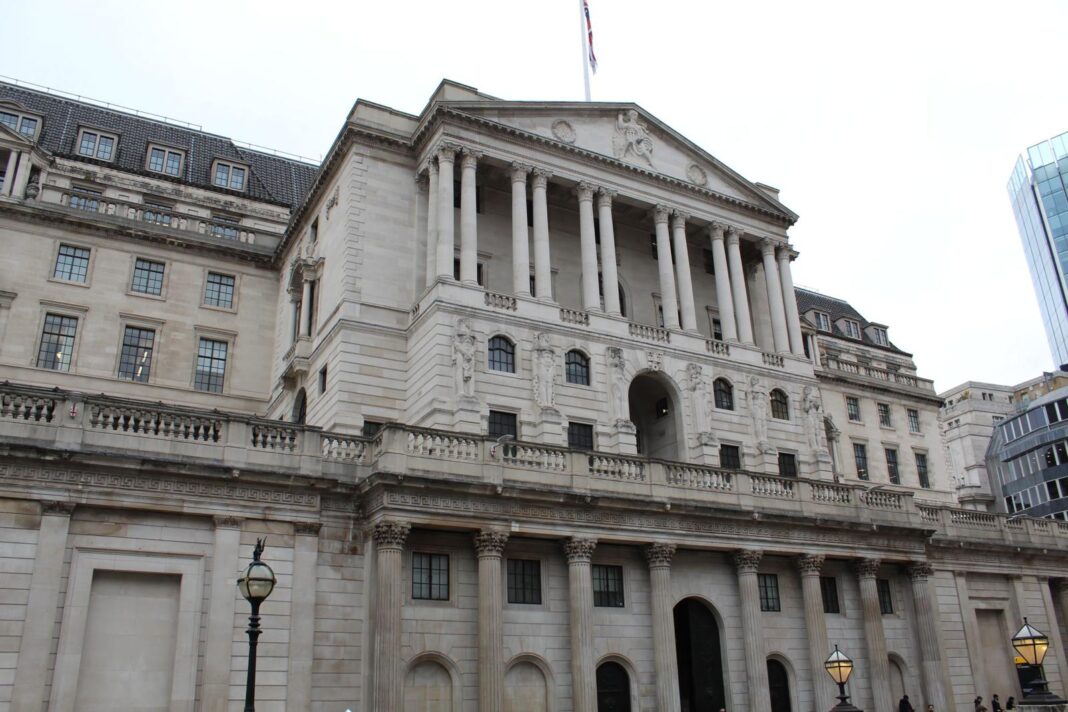
The UK’s credit markets tightened further in October as mortgage demand, consumer borrowing and corporate appetite for debt all softened, according to the Bank of England’s latest Money and Credit data.
The figures paint a picture of households continuing to prioritise savings while businesses take a more defensive stance.
Mortgage borrowing slipped to £4.3 billion in October, down from £5.2 billion in September, as higher rates and muted buyer confidence kept a lid on activity. Approvals for home purchase were broadly flat at 65,000, but remortgaging approvals fell sharply to 33,100 – the weakest level since February. Gross lending nudged down to £24.5 billion, while repayments picked up to £22.1 billion, leaving annual mortgage lending growth unchanged at 3.2%.
This moderation comes even as mortgage pricing continues to edge lower. The average effective rate on new mortgages fell to 4.17%, the lowest since early 2023, though the rate on outstanding balances held steady at 3.89%.
COOLING CONSUMER CREDIT
Consumer credit also cooled for a second month running. Net borrowing fell to £1.1 billion, from £1.4 billion in September, with both credit card and personal loan activity easing back. Annual consumer credit growth held at 7.2%, supported by still-strong credit card borrowing at nearly 11% year on year.
Households continued to shift money into savings, depositing £6.8 billion in October, following strong inflows in September. Sight deposits and ISAs accounted for most of the growth, while non-interest-bearing balances saw further withdrawals. Rates on new time deposits crept up to 3.84%.
INDUSTRY REACTION

Nathan Emerson, Chief Executive of Propertymark, says: “Speculation surrounding the Autumn Budget may have played a role in contributing towards a decrease in the number of mortgage approvals during this period.
“While it is understandable to see a lull regarding mortgage activity on the months leading up to the Chancellor making their fiscal plans known, it is now time to concentrate on ensuring the housing market is fully empowered for already anticipated population growth, via assembling a skilled workforce and supply chain to deliver on housing targets across each nation in what is already demanding timeframe to achieve.”
BUDGET STALLED ACTIVITY

Richard Donnell, Executive Director at Zoopla, says: “Demand for mortgages to buy homes fell in October, as uncertainty around property tax announcements in the Budget stalled activity in the housing market.

“Mortgage approvals are back to their 5-year average, which points to housing sales of 1.15m a year, and now that the threat of additional property taxes has been lifted from homes between £500,000 and £2m, we expect to see a rebound in demand as we enter the early months of 2026.”
SPECULATION TOOK ITS TOLL

Jeremy Leaf, north London estate agent and a former RICS Residential Chairman, says: “It’s clear from these figures that speculation about the Chancellor’s Budget took its toll.
“On the ground, we are seeing plenty of resilience and a determination to keep transactions running even though they are becoming more protracted and often subject to some tough renegotiating.
“Affordability is gradually improving, especially as another, earlier base rate cut is more likely.
“We have often found in similar circumstances that the bigger the pause, the larger the re-set. As a result, we are expecting a rebound over the next few weeks and a more sustained recovery in early 2026 based on what buyers and sellers have been telling us recently.”
POSITIVE OUTLOOK

Jason Tebb, President of OnTheMarket, said: “Intense speculation surrounding the Budget and what it might have in store for the housing market had an impact on approvals for house purchases – an indicator of future borrowing.
“However, approvals decreased only slightly in October, demonstrating resilience and determination on the whole from buyers and sellers to proceed with their moves.
“With the rate on newly-drawn mortgages falling again for the eighth consecutive month, affordability challenges continue to ease.
“Although the Bank of England held base rate in November, this stability, following five base rate cuts over the previous 16 months, is boosting confidence.
“With another base rate cut expected, perhaps even this month, and with lenders trimming their mortgage pricing as they try to drum up more business before the end of the year, there is further good news for borrowers.”
STRONG SPRING SEASON

Simon Gammon, Managing Partner, Knight Frank Finance, says: “Mortgage approvals for house purchases dipped in October as speculation mounted over which tax rises would be announced in the November budget.
“The steady drip of policy leaks weighed heavily on sentiment.
“That said, the fall in approvals was small. Monthly transaction activity has been broadly in-line with pre-pandemic levels since the summer, which is a display of resilience given the weakening economy and the uncertain fiscal outlook.
“Aspects of that uncertainty have now passed and the Bank of England looks on course to cut the base rate in December.
“This should allow lenders to keep trimming mortgage rates, and we expect some pent up demand to be released as we move into a stronger spring selling season.”